

The Allure of Chance: Why We Gamble
The human fascination with gambling is deeply rooted in our psychology, tapping into fundamental desires for excitement, reward, and the thrill of the unknown. At its core, gambling offers an escape from the predictable nature of everyday life, introducing an element of chance that can lead to significant outcomes. This inherent unpredictability is precisely what makes it so captivating, as the possibility of a substantial win, however remote, can be a powerful motivator. Many players seek out the excitement of a winstler casino online, hoping to experience this thrill firsthand.

This psychological draw is amplified by the intermittent reinforcement schedule often found in gambling environments. Unlike tasks where effort consistently yields a reward, gambling offers rewards sporadically. This unpredictable pattern of reinforcement is known to be highly effective in maintaining behavior, making it difficult for individuals to disengage even when losses accumulate. The anticipation of the next win can override rational decision-making, creating a compelling loop.
Furthermore, the social and cultural aspects of gambling play a significant role in its appeal. Many forms of gambling are social activities, offering opportunities for interaction and shared excitement. The atmosphere of a casino, for instance, is designed to be stimulating and immersive, further enhancing the psychological engagement with the game. This environment, coupled with the potential for financial gain, creates a potent cocktail that draws many players in.
Cognitive Biases in the Gambling Mindset
Gamblers are often susceptible to a range of cognitive biases that can distort their perception of reality and influence their betting decisions. One prevalent bias is the “near miss” phenomenon, where a close call to winning can be interpreted as a sign of impending success, encouraging continued play. This is often more reinforcing than an outright loss, as it creates a sense of hope and proximity to a win.
Another significant bias is the illusion of control, where players believe they can influence the outcome of games of chance through skill, superstition, or specific betting strategies. This is particularly evident in games with a high degree of randomness, where any perceived patterns or personal systems are likely to be purely coincidental. The belief in control can lead to overconfidence and a reluctance to quit, even when evidence suggests otherwise.
The gambler’s fallacy is also a common cognitive distortion, where individuals believe that past random events influence future random events. For example, after a string of red numbers on a roulette wheel, a player might believe that black is “due” to appear. This flawed reasoning ignores the fundamental principle of probability in independent events, leading to potentially costly betting decisions.
The Dopamine Rush and Reward Pathways
The act of gambling triggers a powerful neurochemical response, primarily involving the release of dopamine in the brain’s reward pathways. Dopamine is a neurotransmitter associated with pleasure, motivation, and reinforcement. When a gambler experiences a win, or even the anticipation of one, dopamine levels surge, creating a feeling of euphoria and reinforcing the behavior that led to the reward.
This dopamine-driven reward system can become habit-forming. Repeated activation of these pathways can lead to changes in the brain’s sensitivity to rewards, making it difficult for individuals to experience pleasure from other activities. The pursuit of the next dopamine hit can become a primary motivator, driving increasingly risky gambling behavior in an attempt to recapture that initial intense feeling of reward.
The brain can become conditioned to associate gambling with pleasure, even if the actual financial outcomes are negative. The ritual of playing, the sounds of the machines, and the visual stimuli of a casino can all become cues that trigger the release of dopamine, further entrenching the habit. This conditioning makes it challenging to break away from gambling, as the brain actively seeks out these familiar sources of pleasure.
Emotional Regulation and Escapism Through Gambling
For some individuals, gambling serves as a form of emotional regulation or escapism from negative feelings such as stress, boredom, anxiety, or depression. The immersive nature of gambling can provide a temporary distraction from life’s problems, offering a mental break and a sense of control, even if that control is illusory within the game itself.
The intensity and unpredictability of gambling can override other emotional states. The focus required to play, the anticipation of outcomes, and the potential for a win can effectively push aside underlying anxieties or discomfort. This temporary relief can be highly appealing, leading individuals to turn to gambling as a coping mechanism when faced with emotional difficulties.
However, this form of escapism is often unsustainable and can lead to a vicious cycle. While gambling may offer short-term relief, the inevitable losses and the underlying issues remain unresolved. This can exacerbate negative emotions, leading to increased gambling in an attempt to escape, ultimately worsening the individual’s situation.
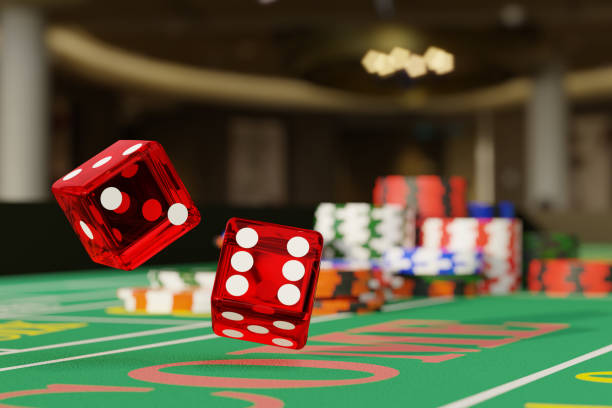
Winstler: A Platform’s Role in the Gambling Experience
Platforms like Winstler are designed to cater to the psychological drivers of gambling, offering a readily accessible and diverse range of games. They aim to replicate the excitement and potential for reward that draws players, often through visually engaging interfaces and a wide selection of gaming options, from classic slots to table games.
The design of online casino sites like Winstler often incorporates elements that can amplify the psychological effects of gambling. Features such as instant play, a vast array of game choices, and the convenience of playing from anywhere can contribute to more frequent and prolonged gaming sessions. The absence of the tangible social and environmental cues of a physical casino might also alter the player’s perception of risk and consequence.
Understanding the psychological underpinnings of gambling is crucial for responsible engagement with platforms such as Winstler. While these sites provide entertainment and the thrill of chance, players should be mindful of the cognitive biases and emotional factors that can influence their behavior. Awareness is the first step towards ensuring a balanced and controlled gaming experience.